1. Bergen, Norway
Bergen’s harbor walk starts at Bryggen, the row of colorful wooden houses leaning toward the water.
Follow the quay past fish markets, small piers, and boat moorings. The mountains rise sharply behind the city, reflecting in the harbor water. Even a short walk—30 minutes—feels complete. Add a detour through the narrow streets behind the docks, and suddenly the city feels layered, alive, intimate.
2. Lisbon, Portugal
Lisbon’s harbor stretches wide along the Tagus river. Old docks merge with modern marinas.
You can walk from Belem past quay-side cafes, through small squares, and reach modern piers lined with yachts. Trams clatter nearby, locals pause for coffee, the smell of the river mixes with grilled sardines. Every step feels like it belongs to the city, not a map.
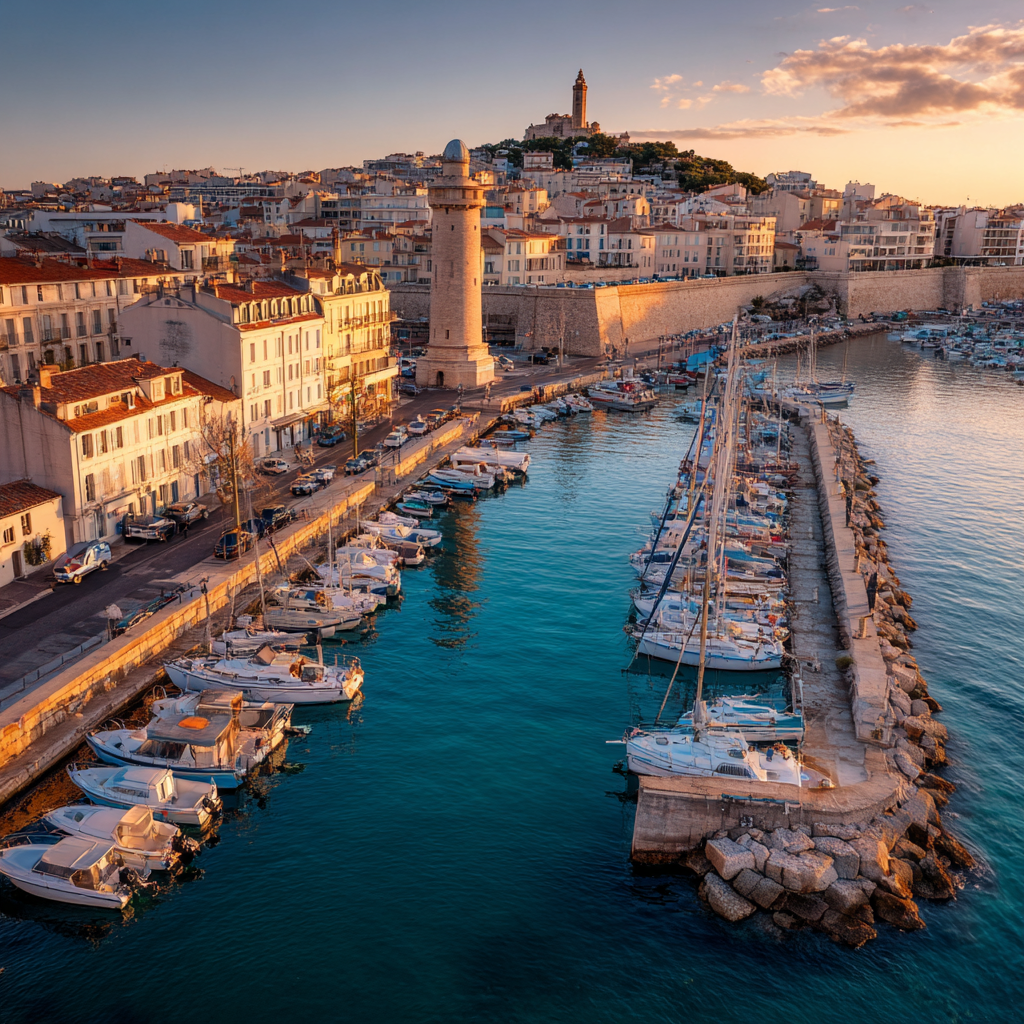
3. Marseille, France
Marseille’s Old Port is chaotic in the best way.
Walk along the quays, past fishing boats, yachts, ferries, and markets. Cafes spill onto the promenade. Boats clink and creak. You’ll find street musicians, artists, and the scent of fresh seafood mingling with salt. Wander uphill to the surrounding alleys for viewpoints over the harbor. It’s not polished, but it’s alive.
4. Dubrovnik, Croatia
Dubrovnik’s port is smaller but perfectly framed.
Old docks lead right into the city walls. Walk along the waterfront early to see fishermen prepping nets, then continue toward the quays where cafes welcome locals and travelers alike. The contrast between stone walls and blue Adriatic water is stark and unforgettable.
5. Tallinn, Estonia
Tallinn’s harbor blends medieval charm with modern piers.
From the cruise dock, the old town is visible within minutes. Stroll along the water, past ferries and yachts, then follow cobbled alleys into the historic heart. Cafes and small markets line the way. The combination of old towers, stone walls, and modern moorings makes the walk uniquely photogenic.
6. Stockholm, Sweden
Stockholm is built on islands, so harbors are everywhere.
A harbor walk can take you from the central quays to quieter piers, past ferries, pleasure boats, and waterfront cafes. Bridges connect islands, creating a rhythm of movement that is both urban and natural. Walk slowly; pause at benches overlooking the water. Every pier has its own charm.
7. Kotor, Montenegro
Kotor is compact, but the harbor walk is full of character.
The bay curves gently, and the promenade runs along old stone walls. Boats bob quietly, cafes are tucked under arches, and the mountain backdrop gives every photograph a dramatic edge. A short walk will reveal hidden alleys leading to small squares and quays.
Tips for Harbor Walks
Start Early or Late – Light is better, crowds are thinner.
Follow the Water, Not the Map – Let the harbor guide you.
Pause Often – Benches, cafes, quaysides; the point is to observe.
Look for Details – Ropes, nets, reflections, gulls; these are what make the walk memorable.
Mix Old and New – Old docks tell history, modern piers show current life.
Why Harbor Walks Matter
Harbor walks are more than scenic strolls.
They connect history and present
They show daily life by the water
They allow slow discovery in a city otherwise designed for tourists
They are intimate, rhythmic, and alive
Even a short walk can feel like a proper exploration. Every step tells a story. The water moves, boats bob, light shifts, people live.
Final Thought
If you step off a ship and follow the water, you’ll quickly realize that harbors are cities themselves. Old docks, modern piers, cafes, markets, and alleys—they all merge into a living, breathing experience.
Walk slowly, pause often, watch carefully. The harbor doesn’t just frame the city—it is the city.