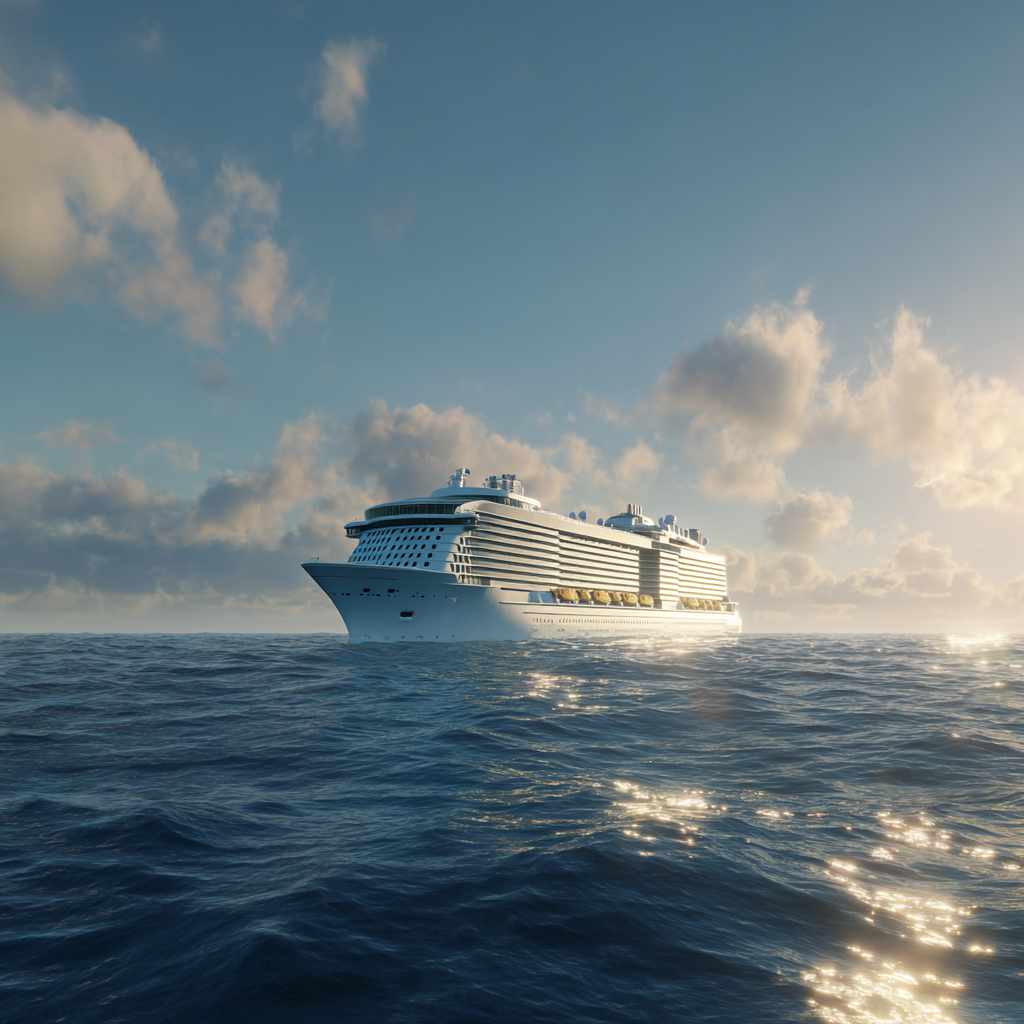
First Rule: Stay Close, Stay Calm
The biggest mistake people make is leaving the port area too fast.
Traffic, transport delays, confusion about where to return. All of that eats time and nerves. When you have six hours, distance matters more than ambition.
Look for places within walking distance or a very short ride. Ports usually grew around something worth seeing. Start there.
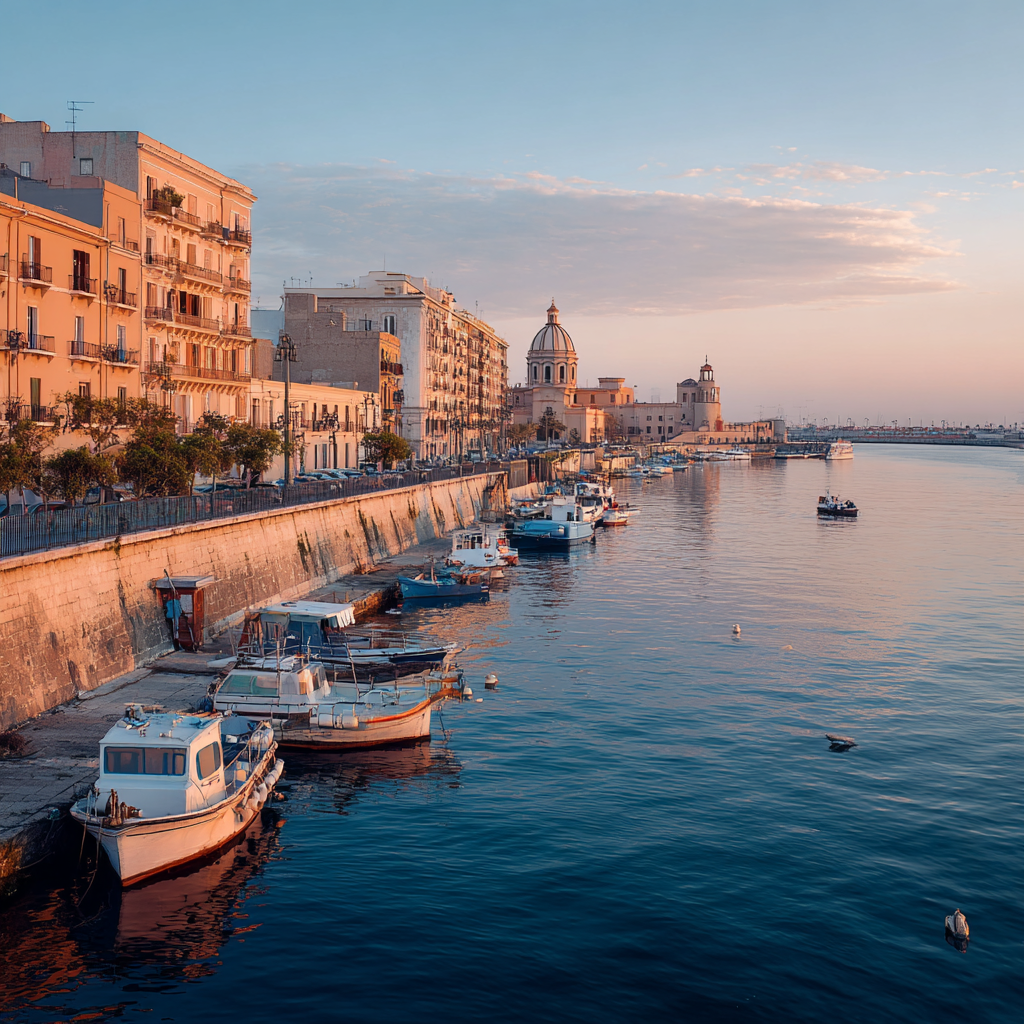
Walk the Waterfront First
Waterfronts are not filler. They are the city’s front door.
Harbors, piers, promenades, old docks, working shipyards. These places tell you more about a city in twenty minutes than a museum does in two hours.
Walk slowly. Watch how locals move. Listen. Smell the air. Ports show their character early if you let them.
Pick One Direction, Not Five
Six hours does not allow for zigzagging.
Choose one area and commit to it. One old town. One market district. One long walk along the water.
Trying to see “a bit of everything” usually means you see nothing properly. Depth beats variety on short stops.
Eat Something Local, Early
Food lines steal time later.
Eat sooner than feels natural. Look for places near the port where locals eat quickly. Not restaurants chasing tourists, but simple spots with short menus.
A good meal early anchors the day. You relax. You stop checking the clock every five minutes.
Markets Beat Museums
Museums demand time and focus. Markets give you instant context.
Fish markets, street food stalls, produce halls. You learn what people eat, how they talk, what smells fill the air. And you can leave whenever you want without guilt.
If a museum is right at the port and small, fine. Otherwise, save it.
Old Towns Work Because They Are Compact
Most port cities have an old core close to the water.
Stone streets, small squares, churches, cafes. These areas are walkable by design. They let you slow down without getting lost too far away.
Walk until the streets thin out. Then turn back. Simple.
Sit Down and Do Nothing
This is not wasted time.
Find a bench, a quay, a cafe near the water. Sit for twenty minutes. Watch ships. Watch people. Feel the place.
This moment is often what you remember later, not the checklist.
Avoid Long Viewpoints
Viewpoints are tempting. They promise everything at once.
But long climbs, cable cars or distant hills eat time fast. If a viewpoint is nearby and easy, take it. If it requires planning, skip it.
The best views on short stops are often accidental.
Keep One Hour Untouched
Always protect your return time.
Six hours quickly becomes five. Then four. Leave a full hour at the end to walk back calmly, maybe grab one last coffee, and board without rushing.
Stress ruins memory. Calm keeps it.
What Six Hours Is Perfect For
Six hours is ideal for:
Walking a harbor and nearby streets
Eating one good meal and one coffee
Seeing how the city sounds and smells
Feeling the pace of local life
It is not for:
Multiple attractions
Long transport rides
Tight schedules
The Real Goal of a Short Stop
A port stop is not about knowing a city.
It is about recognizing it.
Six hours can give you that recognition. The sense that you met the place briefly, honestly, without forcing anything.
And sometimes, that is exactly enough.