Step 1: Adjust Your Mindset
First rule: stop pretending it’s a sunny day. Stop cursing clouds.
Rainy days are different. They are slower, quieter, more intimate. Crowds thin out, street vendors disappear, cafes suddenly feel cozy. Accepting that the day is wet allows you to move through the city without frustration.
The goal is not to see everything. The goal is to see differently.
Step 2: Stay Close to the Port
When weather is bad, long walks and ferry rides become exhausting. Stick to areas within easy reach.
Most ports are lucky: old towns, markets, historic districts, and quays are often just minutes from the dock. Use your proximity. Walk short distances between stops. Stop inside cafes, small shops, or covered arcades to stay dry.
You’ll notice more because you’re slower. Rain sharpens focus, even if it dampens your shoes.
Step 3: Seek Covered Spots
Museums, churches, galleries—they are lifesavers.
If you planned to wander streets, shift your plan to indoor spaces. In Europe, ports like Lisbon, Barcelona, Dubrovnik, or Tallinn are rich with small museums, chapels, and historic homes that fit perfectly into a few hours.
Even small, local museums offer stories the sun never told. Rain makes them feel more alive. You’re inside, but the city still whispers outside the windows.
Step 4: Markets and Food Stops
Markets are perfect for rainy days. Covered, lively, fragrant. Fish, cheese, bread, spices. Every smell stronger when the air outside is damp.
Eat early, eat local. Find a bakery, a coffee shop, a little lunch counter. Food anchors a rainy port day. It keeps you moving, keeps you warm, and often introduces you to locals who show you the city differently.
Sometimes, a rainy day is better remembered for a plate of fresh seafood than a sunny viewpoint.
Step 5: Take Short, Flexible Walks
Rain does not mean hide all day. Umbrella up, waterproof jacket on, boots ready—walk anyway, but smartly.
Stick to paths along the waterfront or through arcades
Avoid long climbs or viewpoints unless they are very close
Wander side streets that feel sheltered
You’ll see the city differently. Pavements shine, reflections bounce in puddles, shop lights glow warmer than usual. That alley that felt ordinary in the sun suddenly has character.
Step 6: Embrace Local Transport, If Needed
If the rain is persistent, short rides are better than long ones.
Taxis, trams, or local buses for one or two stops can save energy without ruining the sense of discovery. You’re still moving on your own, choosing your stops, not on a tour schedule.
Sometimes a 10-minute tram ride opens a new indoor area to explore—museums, markets, or covered promenades.
Step 7: Capture the Mood
Rainy ports are photogenic in a way sunny ones aren’t.
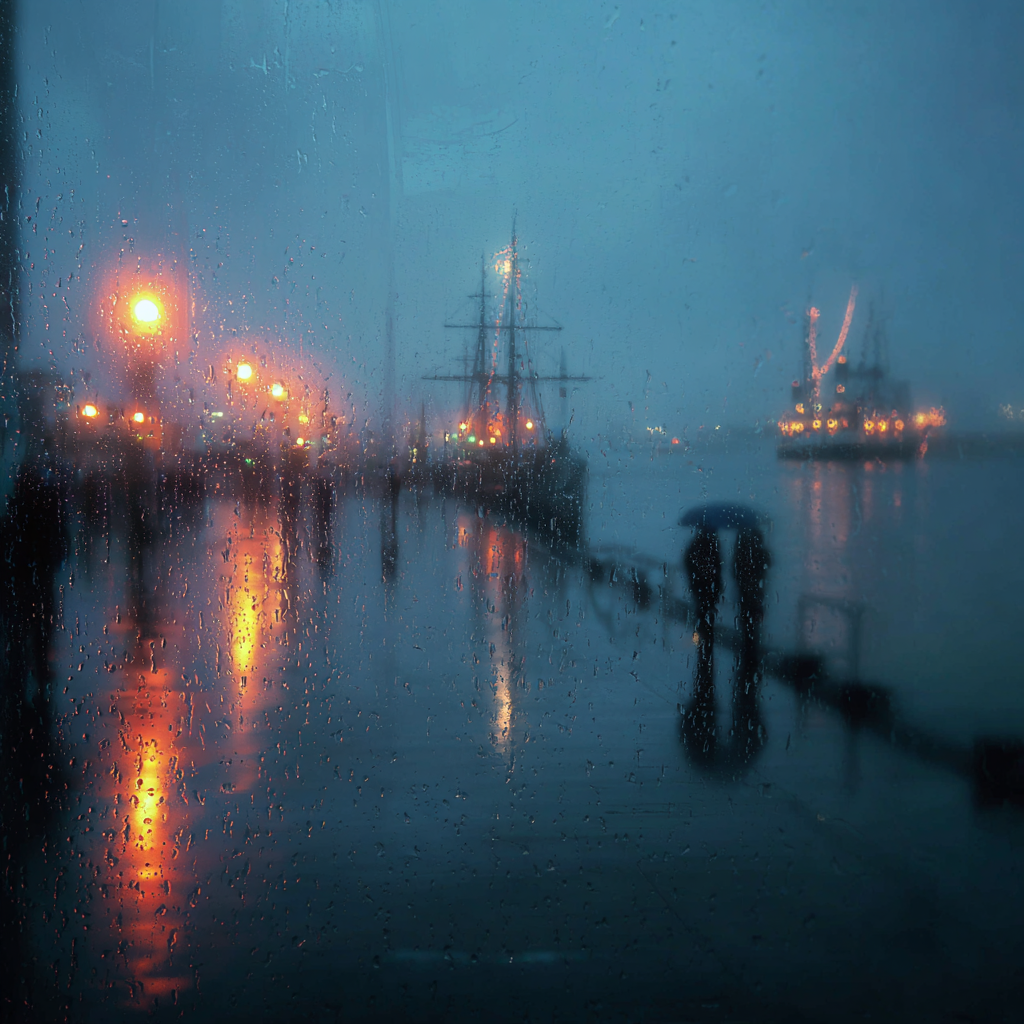
Reflections in the water, slick cobblestones, fog rolling over hills, boats anchored silently. Take photos, yes, but also just notice the way colors change, how people react, how life continues despite the drizzle.
A camera is optional. Memory is enough.
Step 8: Have a Plan B (or C)
The key to surviving a rainy day is flexibility.
Identify 2–3 indoor options near the port before you step off the ship
Keep cafes or sheltered plazas in mind for breaks
Don’t overplan. Let the city unfold naturally
Even if one option closes unexpectedly, you still have alternatives. Rain makes rigid schedules fail. Embrace that failure—it’s more honest.
Step 9: Accept Small Surprises
Maybe a street market is empty. Maybe a small museum is closed. Maybe a sudden downpour forces you to duck under an awning.
These are the moments that make rainy port days memorable. You notice the little things, the unexpected, the mundane. And later, those moments feel like real travel, not a checklist.
Step 10: End With Something Simple
Before heading back to the ship, find a simple, comforting end:
A cup of coffee or tea
A bakery treat
A quick walk along the dock
The goal is to return relaxed, not soaked, with a day that feels complete despite the weather.
Example Rainy Port Itinerary
Here’s a sample for a six-hour rainy stop:
Step off the ship, stroll the nearby waterfront for 20 minutes under umbrellas.
Duck into a small museum or church for 1–1.5 hours.
Visit a covered market, try local snacks or pastries. 45 minutes.
Short indoor walking route through old town streets or shopping arcades. 1 hour.
Coffee break at a cozy café, watch the rain outside. 30 minutes.
Optional short tram ride to another nearby indoor attraction or gallery. 1 hour.
Return to the ship with at least 45–60 minutes to spare.
You’ll be surprised how full and satisfying the day feels.
The Hidden Advantage of Rainy Port Days
Sun makes everything obvious. Rain makes everything intimate.
You notice textures, sounds, smells you would miss otherwise. Crowds thin out. Locals reveal themselves differently. Small streets feel bigger. Reflections, puddles, mist—suddenly the city looks cinematic.
A rainy port day isn’t ruined. It is another version of the city, quieter, slower, and often more memorable.
Final Thought
So next time you dock under grey skies, don’t panic. Don’t buy the first tour or hop on the bus. Walk where you can, duck where needed, eat early, drink coffee, notice everything.
Rainy days teach patience, focus, and curiosity. And if you do it right, your port day will feel complete, satisfying, and full of stories you wouldn’t have on a sunny one.