Why Small Ports Work
Small ports work because they are simple.
You can step off the ship and be in the town almost immediately. Everything is walkable. Cafes, markets, squares, and the waterfront—all within easy reach. You see local life, not just what was built for tourists.
Time stretches differently here. Ten minutes feels like half an hour. Streets breathe. Boats bob gently. People nod when you pass. There is space to notice the small details: laundry lines, kids playing, fishermen repairing nets.
Examples of Small Port Towns
Kotor, Montenegro
Kotor is a tiny jewel tucked into a dramatic bay. The old town is fully enclosed by walls, compact and human-sized. You can walk every street in a morning, sip coffee by the quay, watch seagulls dive into the water, and still have energy to climb the fortress for a view if you feel like it.
No buses. No crowds. Just the rhythm of a town that has existed for centuries, quietly accommodating visitors who take their time.
Hvar, Croatia
Hvar is sun-soaked, bright, and surprisingly walkable. The port sits at the edge of the town, and streets fan out almost immediately from the waterfront.
You can stroll the main square, duck into small alleys, find a café tucked behind a flowering balcony, and soak in the Adriatic breeze. Big cruise ships rarely dominate the vibe, so you feel like the place is still mostly yours.
St. Ives, United Kingdom
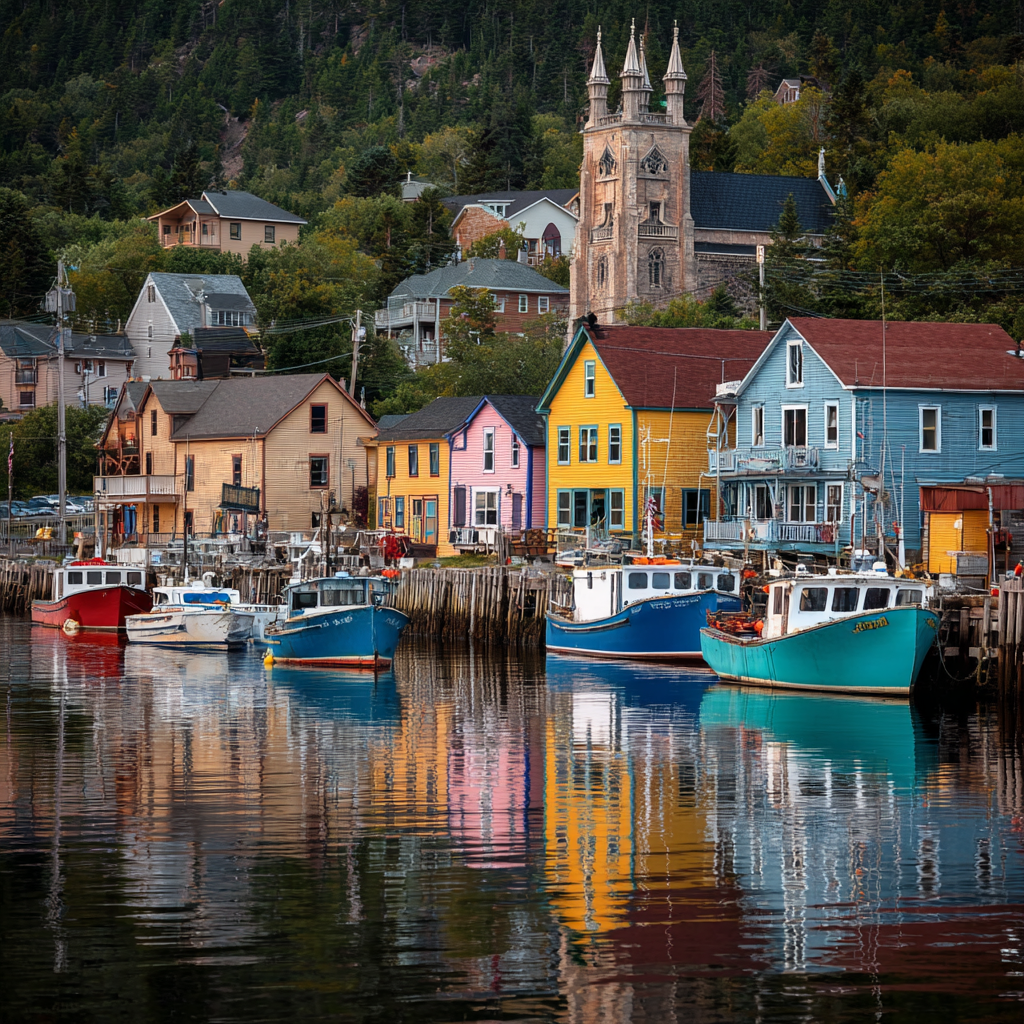
St. Ives has the kind of charm that almost feels accidental. Narrow streets, old fishing cottages, and tiny galleries line the port. You can wander the harbor in ten minutes, explore shops in twenty, grab ice cream, and watch the boats bob on the water.
It’s small enough to feel like a secret, but lively enough to feel alive. Big cruise hubs could never replicate that mix of intimacy and activity.
Valparaíso, Chile
Valparaíso is sprawling, but the small port areas retain intimacy. Brightly painted houses climb hills in a way that makes walking from dock to plaza a pleasure rather than a chore.
Markets, street art, cafes—they are all within walking distance. The port feels like part of the city, not a separate zone built for tourists.
What Makes Small Ports Better
Walkability: You can see everything without long transfers or waiting for buses.
Atmosphere: Less crowded, more real. Locals go about their day, you witness it.
Flexibility: No strict schedules. If a market closes, you still have a dozen other things nearby.
Character: Each street, building, and boat has a story. Big hubs feel polished; small ports feel lived in.
Even a few hours in a small port can feel more complete than a full day in a giant cruise hub.
Tips for Enjoying Small Port Towns
Walk First, Plan Later – Let the streets show you where to go.
Eat Near the Harbor – Simple local meals are often more memorable than fancy restaurants.
Sit and Observe – Benches, quays, and small plazas are portals into the town’s life.
Talk to Locals – Fishermen, shopkeepers, café owners—they often tell stories you won’t find in guides.
Embrace Imperfection – Cobbled streets, peeling paint, small crowds—these are part of the charm.
The Magic of Small Ports
Small ports have a rhythm that big hubs cannot imitate. They invite wandering without pressure. They allow slow discovery. They reward curiosity over speed.
Step off the ship. Follow a street. Pause. Eat something. Look at the water. Wave at a local.
You will leave feeling like you actually experienced the place. Not just checked it off a list.
And that is what makes small port towns feel better than big cruise hubs.